The last time I saw my dad, I had a rare moment alone with him. We sat in the garden, his frail body propped up by pillows placed between his back and the chair. I spoke my usual one-sided chit-chat, telling him things about my everyday life that I wasn’t even sure he could understand anymore. Then I choked on tears as I said something out loud for the first time: I asked him not to hold on for us if he was in any pain. I told him he didn’t need to be the strong man he’d always been; that it was okay for him to let go whenever he was ready. Three days later he died.
I think I had started grieving before my father’s death, as his mind and body slowly withered away… it felt like we had lost him long before he passed. Yet that doesn’t diminish the shock that death brings; the realization of physical finality; the raw pain and sadness.
Six months have passed since my dad died, and I thought I was doing fine. I haven’t cried about him in a while but I think of him often. We celebrated his birthday with a family picnic on a beautiful summer’s day and I was nostalgic and contemplative but not emotional.
Then yesterday afternoon I joined my boyfriend at his friend’s house for a braai. His friend’s dad was there: a white-haired, bespectacled, sweet old man with a slim physique and light-hearted demeanor. He sat quietly with us, engaging in some conversation whilst snacking on peanuts, his joyful face opening in a wide-mouthed laugh. He reminded me of my dad. I asked his age and was told 78 – a year older than my dad’s age when he died, and seemingly in very good shape. I burst out crying.
My reaction caught me completely off guard as I’d spoken about my dad’s death many times without producing tears, so this felt like an embarrassing display in front of mostly strangers. I ran to the bathroom to compose myself, but before I could do that, I sobbed.
I struggled against tears as my boyfriend came to console me and I imagined he was even more bewildered than I was about what had just happened. It hit me out of nowhere. And this is what I’m learning about grief: that it comes in the unexpected moments. Not on the hugely significant weekend of my dad’s birthday, or on the monthly date of his death (which I often forget), but on a random Saturday afternoon at a braai when I see an old man who resembles him.
When I found a postcard in my letter box from my best friend of twenty years, who knew my dad and sent some words of comfort from overseas, I smiled and felt a warm love wash over me. But when I opened an unexpected sympathy card from my boyfriend’s sister at a relaxed Sunday lunch, I felt the sting of tears in my eyes as I battled to talk at the table. Grief tends to blindside me, eliciting different reactions at different times.
It has been interesting to observe my feelings about peoples’ responses to my dad’s death. I’ve felt hurt and confused by some friends who hadn’t contacted me to commiserate; surprised and moved by others with whom I’d lost touch long ago but who sent such heartfelt messages. Just a few weeks ago I discovered a bunch of old condolences that I’d missed on Facebook messenger, and I felt really touched reading through them. I realized that any anger I may have felt about people’s different reactions to death was probably me deflecting an emotion that I didn’t know how to handle, and luckily it was short-lived. It also made me wonder about my own behavior in the past and whether I had shown enough sympathy to others who had lost loved ones. Because I don’t think you quite understand it until it happens to you. I’ve always felt a visceral melancholy for people who are dealing with death but after losing my dad, even though it had been coming for a while, I had this ‘Aha’ moment, like ‘Oh, this is it. This is what is feels like.’ Now I could empathize with a new sensitivity.
I think that some of my sadness has revealed itself in other ways: I’ve imagined my elderly horse dying and felt the heavy turmoil surrounding that. Fear-based thinking has crept into my once mostly positive thoughts. A man who came to fix my washing machine made me feel very uncomfortable in my own apartment and after he left I raged for days. I was spitting fire and plotting revenge and unable to let go of it for longer than is normal for my character. I’ve also had some intensely emotional reactions to seemingly innocuous events: there’s something deep within me that arises like a whirlwind of fury when I’m triggered, something that scares me because of its intensity. When it happens I try to bring the boil down to a simmer, understand where it’s coming from and allow myself the space to feel and release as I realize this is probably still a part of grief. I’ve never felt angry at the world for what my dad went through, but when something unrelated causes my temper to flare, I understand what might be the source.
They say healing isn’t linear. Oftentimes I look at my dad’s oil painting on my wall and smile fondly as I reflect on what a talented man he was in so many respects. Sometimes I have flashbacks of the day he died; his dead body lying on his bed; his sunken face and cold skin. I have to snap myself out of those memories. Soon after he passed away I started asking him to help me with my stagnant career, to pull some strings for me from the afterlife. I was willing my career to soar. It’s like I needed to feel a heightened surge of hope and success in another area of my life to counter the pain and sadness, perhaps a reaction to this torrent of never-before-felt emotions; something else to focus on to try to move towards happiness again. I’m guessing this is a by-product of grief.
There’s a special place I ride to on my horse, a spectacular green amphitheatre at the foot of the mountain where I regularly go and talk to my dad. I’ve always sensed him in nature, like he is part of the trees and the birds and the wind now. I’ve felt close to him when traversing the Drakensberg as he was such an avid mountain man. These are some of the things that have helped me through my grief, as I imagine him smiling in approval at the things I’m doing – the things he loved so much.
I’m grateful for his keen interest in spirituality, which I inherited as I dove into many of his books; Neale Donald Walsch’s Conversations with God changed my life. I think in some ways my dad inadvertently prepared me for his death because his books made me think about it differently: ‘…death is not an end, but a beginning; not a horror, but a joy. It is not a closing down, but an opening up. The happiest moment of your life will be the moment it ends. That’s because it doesn’t end but only goes on in ways so magnificent, so full of peace and wisdom and joy, as to make it difficult to describe and impossible for you to comprehend.’ I love this passage as it makes me think of how happy and free my dad is now. I can take comfort in contemplating his expansion.
Another book that was hugely helpful to read during the last few years of his life was given to me by a friend: Tuesdays with Morrie gave me profound insights into the life and lessons of a man dying of degenerative disease… a man like my dad. These kind of books are gold; they can be like an old cherished friend accompanying and soothing you through a painful process.
After my dad died I found a book in his cupboard titled Chosen by a Horse. It seemed an odd choice for him to read. When I opened it I found his handwritten note on the first page: ‘Tessa; for your 26th’. Goosebumps. The book had gotten lost in the litany of literature on his bookshelf and eleven years later I discovered this treasure! What a gift, reading it now. I take my time through each chapter as I don’t want it to end.
There’s a bittersweet quality to loss that makes me savour every sacred moment I’m alive, but also ponder the pointlessness of everything. Herein lies the dichotomy of death for me: that it makes me spend time contemplating the meaning of life, and that can yield both positive and negative emotions. I wonder about what I’m doing, what I’m being busy about, and about the point of it all. Some days are dreary with disillusion. But ultimately, reflecting on my father’s life that was lived so fully inspires me, and I know that I carry his fervour in everything I do. So I’m gentle on myself on the down days, and allow exuberance to emanate through me on the good ones.
Two days after the teary braai episode, I fell off a horse and got kicked in the head. The concussion caused instant tears to stream down my face, and after getting back on and finishing the ride, I went home and wept. And wrote. On tear-drenched pages I wrote about everything, which has probably been my defining tool in navigating and understanding grief. When my dad could still form simple sentences he said to me: “You must write.” And how right he was. There is an unparalleled catharsis that occurs when you put your thoughts on paper; a healing power that flows through you and to you.
I know my grief will be with me forever, perhaps in different forms at different times. And that my understanding of it will continue to evolve through reading, writing, observing and feeling.
The emotion I’ve found to be most useful throughout it all is gratitude. I once did a voice over for a TV commercial where I spoke for the bride as she smiles and looks up to her father in heaven and says softly, “Thanks Dad.” I find myself doing that a lot now, as I reminisce on the life we had with him.
I can taste the salt from my tears as I’ve just finished reading his belated birthday present. On the back cover it says, ‘A book for anyone who has ever loved a horse, and for everyone who has ever lost a loved one.’ Nothing could be more appropriate right now. I loved everything about this book: the writing, the content; the timing was uncanny and the story mirrored events in my own life. As life imitates art, again I’ve just looked up and said, “Thanks Dad. Thank you for this book… thank you for forgetting to give it to me all those years so that I could read it now.”
The Oscar nominated film The Father paints a poignant picture of an elderly man suffering from dementia, an uncomfortable but important insight into the part of life that we don’t want to face: the end of it. And so throughout my grieving I’ve found art to be my ally. I’ll continue to create, to consume, to write and to read (including many other books that my dad gifted me over the years, which have sat unopened on my bookshelf), as I believe that these are the transformative gifts for grief.
And I embrace my grief as I view it as a testament to my father; to a life that was and continues to be so full and so colorful because of him.
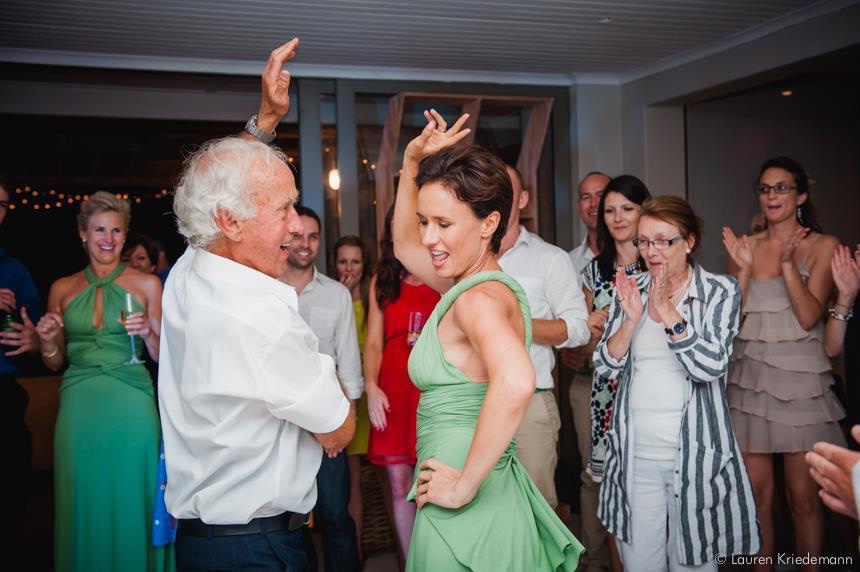
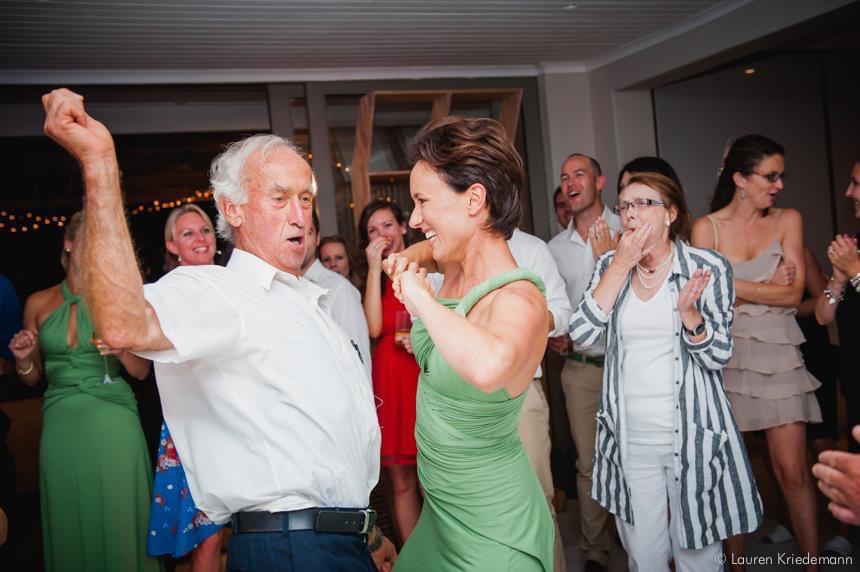
~ Kahlil Gibran
 goodwillhunter.blog
Loved reading this Tess, got me quite emotional. Keep writing Xx
LikeLiked by 1 person
Thanks so much Eves xxx
LikeLike
Loved reading this Tess, got me quite emotional. Keep writing Xx
LikeLiked by 1 person
I am so grateful that I read your post. Beautifully written. So sorry about your loss. 💖
LikeLiked by 1 person
Thank you so much Romanda, I appreciate it 🙏🏼❤️
LikeLike
Beautifully written and struck many chords with me too. Thank you for sharing
LikeLiked by 1 person
Thanks Shelley, big hugs to you x
LikeLike
Loved reading this Tess, so special and brought tears in my eyes xx
LikeLiked by 1 person
Ah thanks J xx
LikeLike
May you find peace and forever cherish his memory.
LikeLike
Thank you so much Terveen
LikeLiked by 1 person